

Table of Contents
- Essential Protective Gear for Beginners
- How to Choose a Martial Arts Uniform That Fits Your Training
- Best Protective Sparring Gear for Kids and Young Practitioners
- Martial Arts Gear Maintenance Tips for Long-Lasting Equipment
- What to Buy First vs. What Can Wait
- Budgeting for Beginner Martial Arts Equipment
- When to Upgrade from Beginner to Intermediate Gear
- Conclusion
Last Updated: August 30, 2026
Beginner Martial Arts Equipment Checklist 2026
Starting a martial arts journey means investing in the right gear and separating essentials from nice-to-haves. A beginner martial arts equipment checklist ensures you're protected, comfortable, and ready to train without wasting money. At BlackBeltShop, we help practitioners at every level find exactly what they need to begin their training safely and confidently.
The challenge most beginners face is understanding fit and durability while avoiding cheap equipment that falls apart after a few months. This guide walks you through every piece of protective gear you'll need, how to choose a martial arts uniform that actually fits, maintenance strategies that extend equipment life, and when to upgrade.
Essential Protective Gear for Beginners
Protective equipment is non-negotiable in martial arts. The right gear absorbs impact, reduces injury risk, and lets you train with confidence. Accidents happen in sparring, and protection is your insurance policy.
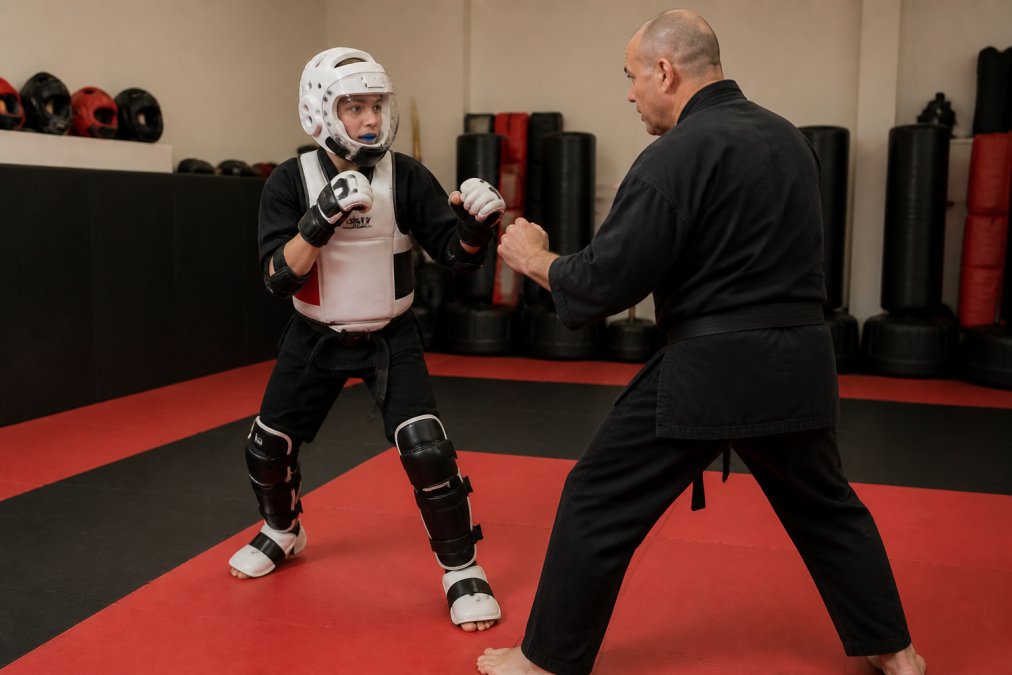
Mouthguards and Headgear
A mouthguard protects your teeth, jaw, and soft tissues from direct impact. Most beginners use boil-and-bite mouthguards, which you soften in hot water and mold to your teeth. They're affordable and effective for training. Headgear protects against concussions and facial cuts. For young practitioners especially, headgear with a full face shield provides maximum protection during sparring.
The difference between a cheap mouthguard and a quality one shows up immediately. Poor-fitting guards slip during drills and become uncomfortable. Look for guards with reinforced edges and anti-microbial properties. Headgear should sit snugly without restricting vision or hearing, with adjustable straps for precise fit.
Hand Wraps and Boxing Gloves
Hand wraps compress your wrist and knuckles, stabilizing joints and distributing impact across your hand. They're worn under gloves and are essential for any striking discipline. Proper wrapping protects against sprains and fractures.
Boxing gloves come in different weights (8oz, 10oz, 12oz, 14oz, 16oz). For beginners, 12oz gloves are the standard starting point, balancing protection and mobility. Gloves should fit snugly around your hand without excess padding bunching at your knuckles.
The Century 5-Piece Karate & Taekwondo Sparring Gear Combo Set from BlackBeltShop includes gloves designed for point-sparring and controlled contact, with padding distributed to absorb impact while keeping your hand mobile for technique work.

Shin Guards and Foot Protectors
Shin guards protect the tibia, the most exposed bone in your leg. Good shin guards have dense padding that doesn't compress flat after a few hits and should cover from just below your knee to your ankle without restricting movement.
Foot protectors (instep guards) protect the top of your foot and toes. Look for guards with anti-microbial lining, which resists bacteria growth and keeps your gear fresher longer.
How to Choose a Martial Arts Uniform That Fits Your Training
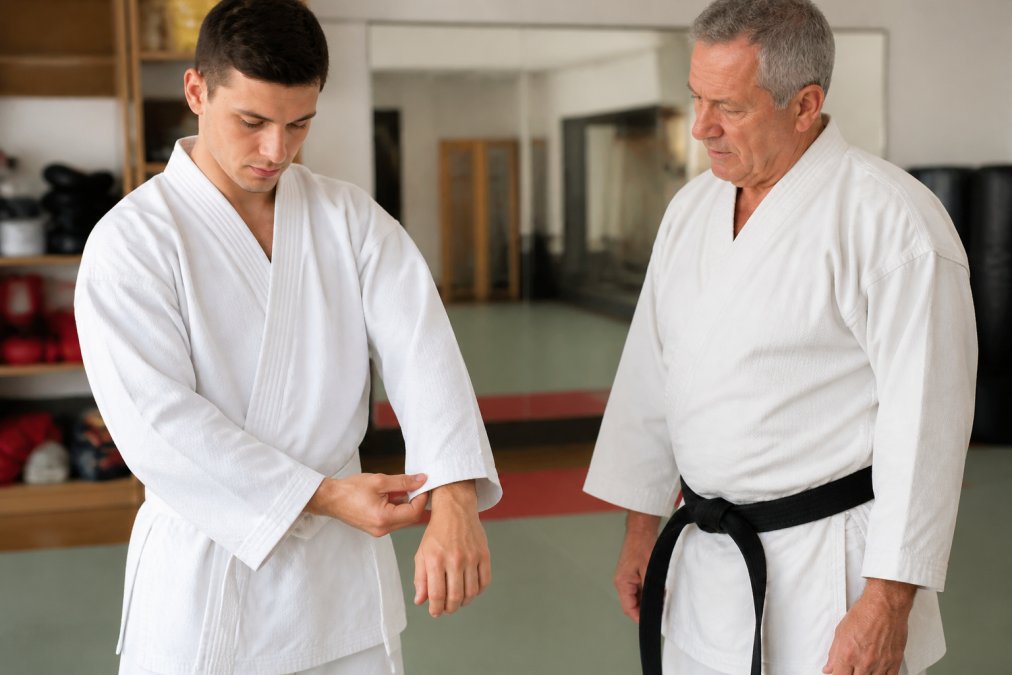
Your gi (uniform) is your foundation. A poorly fitting gi restricts movement, tears easily, and makes training uncomfortable. Many beginners guess their size online and end up with sleeves that are too long or pants that bunch at your ankles.
Gi Material and Weight
Gis come in different weights: lightweight (200-250gsm), standard (350-400gsm), and heavy (500gsm+). Lightweight gis dry faster and feel cooler, ideal for hot climates or high-volume training. Standard-weight gis are the most versatile and durable.
Material matters too. 100% cotton is traditional and breathable. Cotton-polyester blends resist shrinking better. Quality gis have reinforced stitching at stress points (shoulders, sleeves, seams). Cheap gis use single-thread stitching that unravels after a few months of hard training.
BlackBeltShop carries gis in multiple weights and materials. Match the material to your training intensity and climate. High-volume grapplers need durable, heavy gis. Strikers training in warm conditions benefit from lightweight options.
Sizing and Fit Guidelines
A gi that fits properly has sleeves ending about 2 inches above your wrist when your arm is extended. Pant legs should reach the top of your foot, covering your ankles. The jacket should be snug enough that you can't pull it more than a few inches away from your body.
Measure yourself accurately: chest circumference, sleeve length (shoulder to wrist), and inseam. Compare those measurements to the manufacturer's size chart. Most gis shrink slightly after washing (3-5%). Buy a size that accounts for this. If your measurements put you between sizes, go larger.
Best Protective Sparring Gear for Kids and Young Practitioners
Young martial artists need protection scaled to their size and development level. Adult gear doesn't fit children properly, leaving gaps where impact can cause injury. The ProForce Lightning 7-Piece Sparring Gear Combo Set from BlackBeltShop is designed specifically for youth, with proportions and padding optimized for smaller bodies.

Age-Appropriate Protection
Children under 12 should wear full protective gear during sparring: headgear with face shield, mouthguard, hand protection, chest protector, shin guards, and foot protectors. The chest protector is especially important for young athletes, as their rib cages are still developing and more vulnerable to impact.
Headgear with a full face shield is standard for youth sparring. Teenagers (13-17) can transition to adult-sized gear if they're physically mature, but sizing matters. A 13-year-old who weighs 120 pounds shouldn't wear the same glove size as a 180-pound adult.
Comfort and Breathability for Young Athletes
Kids get hot quickly and complain about discomfort more than adults. Gear that's too hot or feels restrictive gets removed, defeating its purpose. Look for protective equipment with breathable mesh panels and moisture-wicking linings. Lightweight padding that still absorbs impact is the balance you want.
Gear with soft inner linings and adjustable straps that don't dig into skin makes a real difference in whether a child stays engaged with training.
Martial Arts Gear Maintenance Tips for Long-Lasting Equipment
Proper maintenance is the difference between gear lasting one year and lasting five. Quality gear responds to proper care by lasting far longer.
Hygiene and Sanitization Protocols
Martial arts gear absorbs sweat and bacteria. Hand wraps should be washed after every training session. Gis should be washed after each use. Protective gear like headgear and shin guards should be cleaned regularly or after heavy sparring.
Use cold water for most gear to prevent shrinking. Mild detergent is sufficient. Air dry whenever possible. For stubborn odor in shin guards or hand wraps, soak them in white vinegar for 30 minutes before washing. This neutralizes bacteria and eliminates smell without harsh chemicals.
Mouthguards need daily cleaning. Rinse immediately after training, then soak in a denture tablet overnight once weekly.
Gear Bag Organization and Storage
How you store gear between training sessions affects its lifespan. Crumpled, compressed gear in a sealed bag develops mold and loses shape. Organized, air-dry storage extends durability significantly.
Keep your gear bag organized with separate compartments: one for protective equipment, one for your gi, one for hand wraps, one for undergarments. Hand wraps should be rolled or folded neatly, not balled up. Shin guards should be stored standing upright or laid flat, never folded. Your gi should be hung on a hanger when possible, or folded loosely on a shelf.
Store your gear in a cool, dry place away from direct sunlight, which fades fabric and degrades elastic components.
What to Buy First vs. What Can Wait
Beginners often buy too much gear too quickly. A strategic approach saves money and lets you upgrade as you progress.
Buy first:
- One gi (appropriate weight for your climate and discipline)
- Mouthguard
- Hand wraps
- Gloves sized for your discipline and weight class
- Shin guards (if your discipline involves kicks)
- Foot protectors (if applicable)
Buy within 3-6 months:
- A second gi (so one is always clean)
- Headgear (once you start regular sparring)
- Chest protector (if you're doing contact sparring)
- Additional hand wraps (3-4 pairs so you always have clean ones)
Buy later (6-12 months):
- Specialty gear for your discipline
- Upgrade to a heavier or higher-quality gi
- Training weapons (if applicable to your discipline)
- Specialized compression gear
This progression lets you train effectively while you learn what you actually need.
Budgeting for Beginner Martial Arts Equipment
Starting martial arts doesn't require a huge investment. The Century 5-Piece Karate & Taekwondo Sparring Gear Combo Set from BlackBeltShop provides essential protection at an affordable entry point. Quality gear that lasts is a better investment than cheap gear you replace every year.
A realistic beginner budget covers your essential protection and a basic uniform. Add a second gi within a few months. Headgear comes next. As you progress, you'll add discipline-specific gear based on your training focus.
Quality gear costs more upfront but lasts years with proper care. BlackBeltShop's approach of offering high-quality equipment at below-retail pricing makes a difference. A quality gi that lasts 3 years is more cost-effective than a cheap gi that lasts 6 months.
When to Upgrade from Beginner to Intermediate Gear
Knowing when to upgrade separates practitioners who stagnate from those who progress. Beginner gear serves a purpose, but it has limitations. As your training intensity increases, those limitations become frustrating.
Signs you're ready to upgrade:
Your current gear no longer fits your training style. Your gloves feel worn out or the padding no longer absorbs impact effectively. Your gi has shrunk or developed permanent stains despite proper care. You're training 4+ times weekly and need multiple gis to keep up with laundry.
Intermediate gear offers better padding density, more durable stitching, and materials engineered for higher training intensity. The Macho Dyna 8-Piece Combo Sparring Gear with Face Shield from BlackBeltShop represents the jump from beginner to intermediate protection, with additional components and higher-quality materials.

Upgrade strategically. Your gloves might need upgrading before your shin guards. Your gi might need replacing before your headgear. Assess each piece individually.
Choosing the right beginner martial arts equipment checklist is the foundation of consistent, injury-free training. You've learned what protection actually matters, how to fit a uniform properly, and how to maintain gear so it lasts. The investment is reasonable, and the payoff is years of reliable equipment that supports your training goals.
BlackBeltShop specializes in helping practitioners at every level find gear that matches their discipline, training intensity, and budget. We offer items at 10-40% below regular retail, expert guidance to match your specific needs, and a commitment to durability that means your gear supports your training. We also offer custom embroidered martial arts black belts tailored to your rank and style, choose custom kanji, names, or academy logos with high-density stitching built to last a lifetime of training. Check out our beginner-focused sparring gear sets and gis to start your martial arts journey with confidence.
Frequently Asked Questions
What equipment do I absolutely need for my first martial arts class?
Most beginners need a martial arts uniform (gi), hand wraps, mouthguard, and headgear at minimum. Your instructor may provide some protective gear initially, but owning your own mouthguard and hand wraps is essential for hygiene and safety. As you progress to sparring, shin guards, foot protectors, and boxing gloves become necessary. Check with your academy about their specific requirements before purchasing.
How do I choose the right size uniform for martial arts training?
Measure your height and weight, then consult the sizing chart provided by the manufacturer. A proper gi should have sleeves that reach your wrists when arms are at your sides, and pants that end just above your ankles. The uniform should allow full range of motion without excess fabric. If you're between sizes, choose the larger option, gis shrink slightly with washing. Many practitioners prefer a snug fit for grappling and a looser fit for striking disciplines.
Is expensive sparring gear really necessary for beginners, or can I start with budget options?
You don't need premium gear to start, but avoid the cheapest options. Mid-range protective equipment offers the best balance of safety, durability, and affordability. Cheap gear often has inadequate padding density, poor impact absorption, and breaks down quickly. Investing in quality protective gear protects your joints and reduces injury risk. Many beginners find combo sets like the Century 5-piece or ProForce Lightning 7-piece options provide excellent protection at reasonable prices without compromising safety.
How should I clean and maintain my martial arts protective gear?
Hand wash most protective equipment in cool water with mild soap after each training session. Air dry completely before storing to prevent odor and mold growth. Machine-wash gis on a gentle cycle in cold water and air dry to prevent shrinkage. Use anti-microbial spray on headgear and gloves between washes. Store gear in a ventilated bag, not sealed plastic. Replace padding if it becomes compressed or damaged, as worn padding reduces protection effectiveness.
When should I invest in my own sparring equipment as a beginner?
Purchase your own protective gear once you begin regular sparring, typically after 4-8 weeks of basic training. Starting with essential items like a mouthguard and hand wraps is wise from day one for hygiene reasons. Full sparring sets become necessary when your academy requires them or when you're ready for contact training. Combo sets eliminate confusion about what pieces work together and ensure consistent protection across all body areas during training sessions.
What makes beginner martial arts gear different from intermediate or advanced equipment?
Beginner gear prioritizes comfort, affordability, and basic protection with lighter padding and simpler designs. Intermediate gear adds enhanced padding density, better impact absorption, and improved breathability for longer training sessions. Advanced equipment features premium materials, superior durability, and specialized designs for specific disciplines. As your technique improves and training intensity increases, your body needs better protection and gear that withstands more frequent use without degrading.
Are there eco-friendly martial arts gear options for environmentally conscious practitioners?
Yes, some manufacturers now offer gis made from organic cotton or bamboo fabric, which are more sustainable than conventional options. Look for gear with eco-friendly packaging and companies committed to reducing their environmental footprint. While eco-friendly options may cost slightly more upfront, they often last longer and reduce waste over time. Supporting sustainable martial arts equipment brands encourages the industry to prioritize environmental responsibility alongside performance.
This article was written using GrandRanker