

Table of Contents
- Why Karate Shin Guards Matter for Light Sparring
- Benefit 1: Injury Prevention and Cumulative Impact Protection
- Benefit 2: Increased Confidence and Technical Focus
- Benefit 3: Extended Training Without Pain and Soreness
- Benefit 4: Better Muscle Memory Through Consistent Practice
- Benefit 5: Meeting Safety Requirements and Class Standards
- How to Choose Karate Shin Guards for Your Training
- Karate Shin and Foot Guards: Full Lower-Leg Protection
- Getting Started: Your First Shin Guards
- Frequently Asked Questions
Last Updated: October 6, 2026
Why Karate Shin Guards Matter for Light Sparring
Light sparring in karate demands a different mindset than heavy contact training. This is where karate shin guards light sparring become essential, not just for safety, but for how they change your training experience.

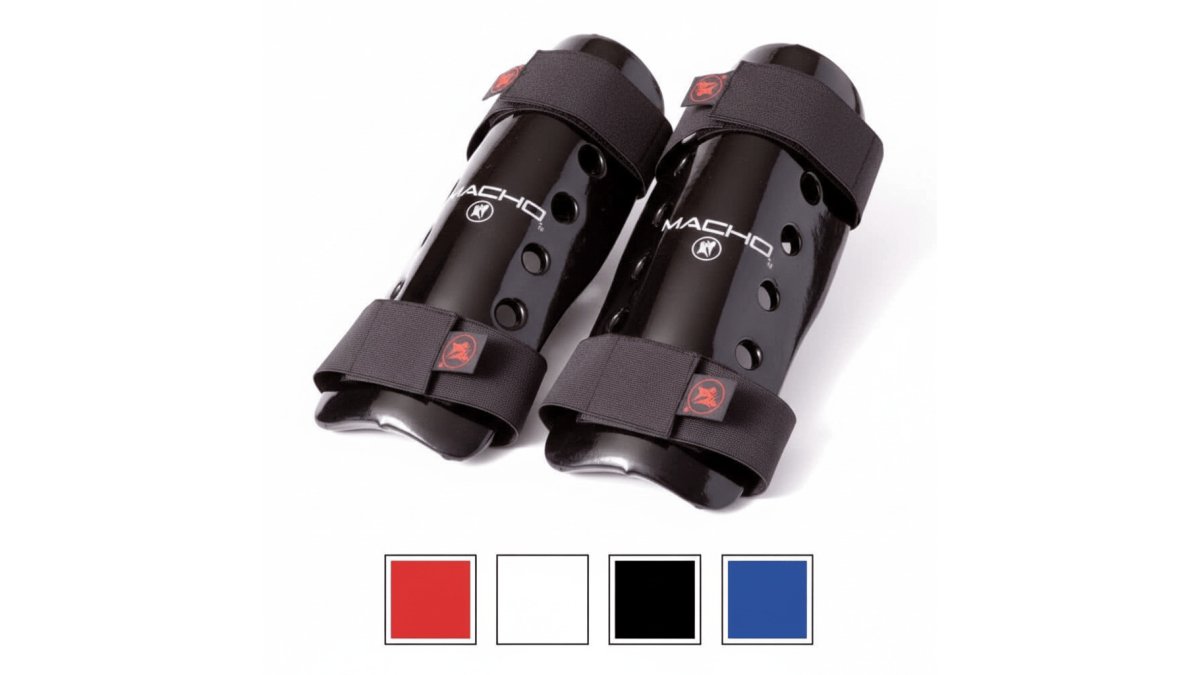
At BlackBeltShop, we offer high-quality gear designed for rigorous training and competitive performance. When you're not worried about shin pain, you can focus on what matters: footwork, timing, and reading your opponent.
Light sparring sits in a unique zone. It's not full-contact fighting, but it's real enough that your shins absorb genuine impact.
Karate shin guards for light sparring solve this problem directly. They let you train consistently, build muscle memory through repetition, and develop the discipline that comes from regular practice.
Benefit 1: Injury Prevention and Cumulative Impact Protection
The most obvious benefit is also the most important: shin guards protect your shins from injury. But the real value goes deeper than preventing acute damage.
Your shin bone sits close to the skin with minimal muscle padding. During light sparring, repeated kicks create cumulative impact that adds up over weeks and months.
Shin guards absorb and distribute that impact across a wider surface area. High-impact foam padding in products like the Macho Dyna Karate Martial Arts Shin Guards offers superior shock absorption, and the contoured fit keeps padding where you need it most.
This matters most in light sparring because you're doing more repetitions than in full-contact training. A full-contact fighter might throw 20 kicks in a round; a light-sparring karate practitioner might throw 100 controlled kicks in the same timeframe.
The guards protect against both acute impacts (a hard kick that lands unexpectedly) and chronic stress (the daily wear of repetitive practice). Most karate sparring injuries aren't from single catastrophic moments, but from thousands of small impacts that never fully heal.

Benefit 2: Increased Confidence and Technical Focus
Wearing shin guards changes your mental state during sparring. This matters more than many practitioners realize.
When your shins are unprotected, part of your attention goes to protecting them. You flinch when a kick comes toward your leg, hesitate before checking a kick because you know it will hurt, and pull back from exchanges that might put your shins at risk. These natural survival instincts limit your technical development.
Shin guards eliminate this mental friction. You know your shins are protected. Your body relaxes. You can commit fully to your techniques without that background anxiety about pain.
This shift in confidence directly improves your sparring quality. You're not holding back or flinching, so you can focus entirely on footwork, timing, and reading your opponent. Your sparring partner benefits too, facing a more aggressive, technically engaged opponent who pushes both of you to higher levels.
For beginners especially, this psychological component is huge. Early sparring is already intimidating, and adding shin pain creates negative associations with training. Protective gear removes that barrier, making you more likely to show up consistently and push harder.
Benefit 3: Extended Training Without Pain and Soreness
Here's a practical benefit that compounds over time: shin guards let you train more frequently without soreness limiting your schedule.
Unprotected shin training creates delayed-onset muscle soreness and bruising that can last 3-5 days. You train Monday, your shins hurt through Thursday, and you skip Wednesday's class because moving hurts.
With shin guards, that soreness drops significantly. You can train Monday, feel minimal discomfort Tuesday, and be ready for Wednesday's class, training 20-30% more frequently simply because recovery is faster.
More training volume means faster skill development: you build muscle memory through repetition, your nervous system encodes the movements, and your conditioning improves.
The ProForce Lightning Shin Guard with premium foam padding for maximum shock absorption and comfort is designed specifically for this. You can train hard, recover quickly, and be back on the mat sooner.
Benefit 4: Better Muscle Memory Through Consistent Practice
Muscle memory, the ability to perform a technique without conscious thought, comes from repetition. But repetition only works if you're actually training.
Shin pain interrupts consistency.
Shin guards remove this barrier. You train consistently, accumulate more repetitions, and your nervous system encodes movement patterns more deeply. After weeks of consistent training, your kicks, blocks, and footwork become genuinely automatic.
This is the difference between training sporadically and building real martial arts discipline. The consistent practitioner accumulates thousands more repetitions per year, and that gap translates directly into technical superiority.
Light sparring is where this shows up most clearly. You need to react instantly without overthinking, and that instant reaction comes from muscle memory, which comes from consistent training.
Benefit 5: Meeting Safety Requirements and Class Standards
Many dojos and karate programs require or strongly recommend shin guards for sparring, especially for younger practitioners and students in formal training programs.
Some instructors make shin guards mandatory for kumite (sparring) practice, others require them below a certain rank, and competitive tournaments often have specific gear requirements. The Tokaido WKF Approved Shin and Instep Sparring Gear is officially certified for WKF-sanctioned tournaments and competitions.
Beyond formal requirements, there's a cultural standard in martial arts: you protect yourself and your training partners. Wearing shin guards signals that you take training seriously and respect your dojo's safety protocols.
For parents enrolling children in karate classes, shin guards are often non-negotiable. Instructors recommend them to prevent injuries that could discourage young practitioners. A child who gets hurt in sparring might quit; a child who trains safely and builds confidence will keep coming back.
Macho Dyna Karate martial Arts Shin Guards →
How to Choose Karate Shin Guards for Your Training
Not all shin guards are the same. Your choice depends on your training style, budget, and the demands of light sparring.
Fit and Coverage Considerations
The most important factor is fit. Shin guards that shift or slip during sparring provide no protection and create distractions.
Look for a contoured design that wraps anatomically around your shin, with padding directly over the shin bone and extending down to cover the instep where kicks make contact. Double or triple velcro straps keep the guard from moving during fast footwork and rapid kicks.
Size matters. Guards that are too large bunch up inside your gi and restrict movement. Guards that are too small don't provide adequate coverage. Most manufacturers offer multiple sizes for youth and adult martial artists.
The material should be breathable. You're wearing these for 30-60 minutes of active training, so look for vented designs that allow airflow to reduce sweat build-up and improve comfort.
Guard Styles for Light-Contact Sparring
For light sparring specifically, you have two main options: cloth guards and vinyl guards.
Cloth guards like the ProForce II Cloth Shin Guard use breathable, washable material for long-lasting performance and hygiene. They're lighter and more flexible, ideal for the speed and footwork of light sparring, and the elastic sock-style design keeps them in place. These work best if you're prioritizing mobility and comfort.

Vinyl guards like the Macho Warrior Karate Sparring Shin Guards use a durable vinyl exterior that's easy to clean and built to withstand intense training sessions. They provide slightly more rigid protection and last longer with heavy use, so they work better if you train frequently or need guards that hold up for years.
For most practitioners, karate shin guards light sparring offer the best balance of protection, mobility, and comfort, designed specifically for the controlled contact and technical focus rather than heavy impact.
| Guard Type | Best For | Key Advantage | Trade-Off |
|---|---|---|---|
| Cloth | Light sparring, beginners, mobility focus | Breathable, lightweight, flexible | Less rigid protection |
| Vinyl | Frequent training, durability focus | Durable, easy to clean, long-lasting | Slightly less flexible |
| Combination (shin + instep) | Full lower-leg protection | Protects shin and foot in one guard | Bulkier, more restrictive |
| WKF-Approved | Tournament competition | Meets official standards | Higher cost |
Karate Shin and Foot Guards: Full Lower-Leg Protection
Light sparring doesn't just impact your shins. Your instep and top of the foot also absorb kicks and strikes. Some practitioners benefit from guards that protect both areas.
The ProForce Combination Cloth Shin/Instep Guard protects both shin and instep for full lower-leg coverage.
This two-in-one approach works well if you take kicks to the foot frequently or your dojo's sparring style involves more foot contact.
For pure light-contact karate sparring, shin-only guards are usually sufficient. Your sparring partners are controlling their kicks, so instep contact is minimal. You'll get better mobility with shin-only protection.
For kickboxing-style training or partners who make frequent foot contact, combination guards make sense. They provide comprehensive lower-leg protection without the bulk of full leg pads.
The C-Gear Determination Shin Instep Karate Guard offers high-density foam padding designed to absorb and disperse heavy impacts, reducing the risk of shin and foot injuries during training or competition.
Getting Started: Your First Shin Guards
If you're new to sparring, start with a basic cloth shin guard. The ProForce II Cloth Shin Guard at a lower price point lets you try shin guards without major investment.
As your training progresses and you spar more frequently, consider upgrading to a more durable option like the Century STUDENT SPARRING SHIN GUARDS or the Macho Warrior Karate Sparring Shin Guards.
If you're training competitively or planning to enter tournaments, the Tokaido WKF Approved Shin and Instep Sparring Gear ensures you meet official standards and get tournament-grade protection.
The five benefits of wearing karate shin guards for light sparring compound over time. Injury prevention keeps you training. Confidence improves your technique.
Start wearing shin guards today, and you'll notice the difference in your next sparring session.
According to research on martial arts injury prevention from the American Journal of Sports Medicine, protective equipment significantly reduces the incidence of lower-leg injuries in striking martial arts.
The discipline and mental focus required for consistent martial arts training, as documented in studies on habit formation and physical practice from Stanford Medicine, develops through repetition without interruption.
For practitioners considering tournament competition, World Karate Federation (WKF) official equipment standards specify protective gear requirements for kumite sparring at all levels.
Frequently Asked Questions
Do you need shin guards for light karate sparring?
Yes, shin guards are highly recommended for light sparring. Even controlled contact creates cumulative impact on the shin, which has minimal soft tissue protection. Shin guards reduce bruising, allow you to train more frequently without pain, and help you focus on technique rather than protecting yourself from soreness. Many dojos require them as standard safety equipment.
How should karate shin guards fit properly?
Shin guards should cover from just below the knee to the top of the foot, sitting snugly without restricting circulation or movement. The foam padding should contact your shin without gaps, and straps should be tight enough to prevent shifting during kicks but loose enough to allow blood flow. A proper fit ensures maximum protection and comfort during training and sparring practice.
How do you clean martial arts shin guards after training?
Wipe down your shin guards with a damp cloth immediately after training to remove sweat and odor-causing bacteria. For cloth guards, hand wash with mild soap and air dry completely before storing. Avoid machine washing or high heat, which damages foam padding. Store in a cool, dry place away from direct sunlight to extend their lifespan and maintain hygiene.
Can shin guards reduce bruising during sparring?
Yes, shin guards significantly reduce bruising by absorbing and dispersing impact force across the foam padding rather than concentrating it on bone. High-density foam padding in quality guards like the Macho Dyna or ProForce Lightning models provides superior shock absorption, allowing you to spar more frequently without developing painful contusions that interrupt training.
What's the difference between shin guards and shin and foot guards?
Shin guards protect only the front of the lower leg, while shin and foot guards (also called shin/instep guards) extend coverage to include the instep and top of the foot. For light sparring, shin-only guards are sufficient if you're focusing on controlled kicks to the body and head. Shin/instep guards offer more comprehensive protection if your sparring includes leg techniques or if you're training for tournament competition.