

Table of Contents
- What Makes a Martial Arts Uniform Sensory-Friendly
- Lightweight Cotton Karate Gi Options
- Material Composition: Cotton vs. Polyester Blends
- How to Measure for Martial Arts Gi
- Durability and Stitching Quality for Long-Term Training
- Modification Tutorials for Enhanced Sensory Comfort
-
Top Sensory-Friendly Martial Arts Uniforms
- 1. ProForce 5 oz Karate Uniform (Ultra-Lightweight for Maximum Comfort)
- 2. ProForce 6 oz Karate Uniform (Breathable Poly-Cotton Blend)
- 3. Century 5 oz Ultra Lightweight TKD Uniform (Best for Warm Climates)
- 4. ProForce 6 oz TKD Uniform (Traditional V-Neck Design)
- 5. Century 6 oz Lightweight Student Uniform (Beginner-Friendly Option)
- Choosing the Right Sensory-Friendly Gi for Beginners
What Makes a Martial Arts Uniform Sensory-Friendly
A sensory-friendly martial arts uniform prioritizes comfort and non-restrictive movement while minimizing tactile triggers that distract practitioners during training. For martial artists with sensory sensitivities, the difference between a standard gi and a sensory-friendly uniform can transform your entire experience on the mat. The key lies in understanding fabric composition, weight, construction methods, and how these elements interact with your nervous system.
Tactile Sensitivity Specifics
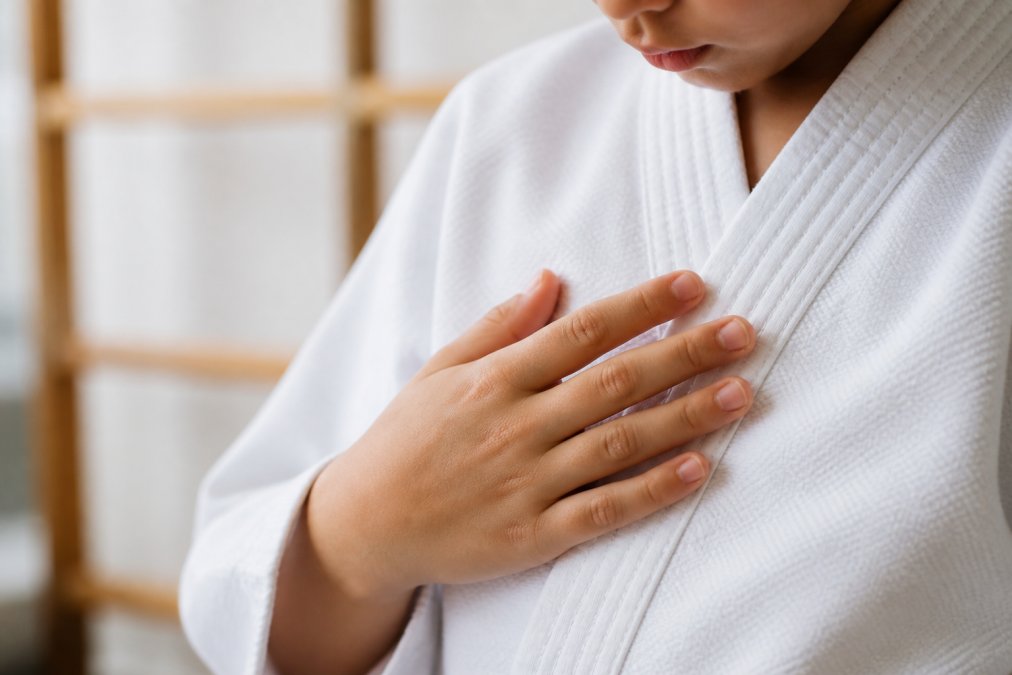
Tactile sensitivity manifests as discomfort from seam placement, fabric stiffness, tag irritation, or rough stitching. Standard uniforms often create constant awareness of the fabric itself rather than focus on technique, pulling attention away from form and breathing.
The solution involves prioritizing uniforms with flat-lock seams or seamless construction in high-contact areas, soft internal tags, and smooth fabric that resists pilling. Brushed cotton or cotton-polyester blends with a soft finish reduce tactile triggers significantly compared to stiff canvas materials. At BlackBeltShop, we select uniforms with attention to seam construction and fabric finish because these details matter for practitioners who need them.
Breathability and Moisture-Wicking Properties
Breathable fabrics prevent the clammy, suffocating sensation that overwhelms sensory-sensitive practitioners during intense training. When sweat accumulates and fabric clings to skin, it creates sensory overload that increases anxiety on the mat.
Moisture-wicking properties move sweat away from the body rather than trapping it. Cotton-polyester blends (typically 55/45 or 60/40 ratios) naturally wick moisture better than 100% cotton, which absorbs sweat and becomes heavy and clingy. A uniform that breathes well feels lighter against your skin, reducing overall sensory load during training.
Lightweight Cotton Karate Gi Options
Lightweight gis, typically 5 oz. to 6 oz. in weight, are the foundation of sensory-friendly training gear. Reduced weight means less fabric pressing against your body, less restriction of movement, and less overall sensory input during practice.
5 oz. Ultra-Lightweight Uniforms
A 5 oz. karate uniform delivers maximum breathability and minimal tactile input, ideal for practitioners highly sensitive to fabric weight or training in warm environments. The ProForce 5 oz Original Karate Uniform features a 55/45 cotton-polyester blend with elastic drawstring pants, offering secure fit without restrictive waistbands. The ProForce 5 oz Classic Karate Uniform with a 60/40 cotton-polyester blend offers a softer hand-feel while maintaining durability and breathability. For taekwondo practitioners, the ProForce 5 oz TKD Uniform offers lightweight benefits with traditional V-neck pullover top and elastic waist pants.

6 oz. Balanced Weight for Comfort and Durability
A 6 oz. uniform strikes the middle ground between sensory comfort and practical durability, substantial enough to withstand regular training yet light enough to minimize sensory triggers for most practitioners.
The ProForce 6 oz Karate Uniform combines affordability with sensory-friendly construction. The poly-cotton blend resists shrinking and maintains breathability, with elastic waistband and drawstring providing customizable fit. The ProForce 6 oz TKD Uniform offers the same lightweight benefits with taekwondo-specific design and reinforced stitching. The Century 6 oz Lightweight Student Uniform provides excellent construction quality with a 60% cotton and 40% polyester blend.
Material Composition: Cotton vs. Polyester Blends
Understanding fabric composition is essential for selecting sensory-friendly uniforms that perform well long-term.
100% Cotton offers natural breathability and softness but absorbs moisture heavily, becoming damp and clingy during training. Pure cotton also shrinks more easily and takes longer to dry.
Cotton-Polyester Blends (typically 55/45, 60/40, or 45/55 ratios) combine the best properties of both fibers. Cotton provides softness and breathability; polyester adds durability, moisture-wicking, and shrink resistance. These blends dry faster than pure cotton and maintain shape better after repeated washing. Most sensory-friendly uniforms use these blends for exactly this reason.
Higher Polyester Content (45% polyester or more) increases durability and moisture-wicking significantly. A 55/45 blend offers excellent balance for practitioners who train regularly. Fabric weight (measured in ounces) is equally important: a 5 oz. blend feels noticeably lighter than a 6 oz. uniform of the same composition.

How to Measure for Martial Arts Gi
Proper sizing is critical for sensory comfort. An ill-fitting uniform creates unnecessary friction, bunching, and seam pressure that compounds sensory sensitivities.
Sizing and Fit Guidelines
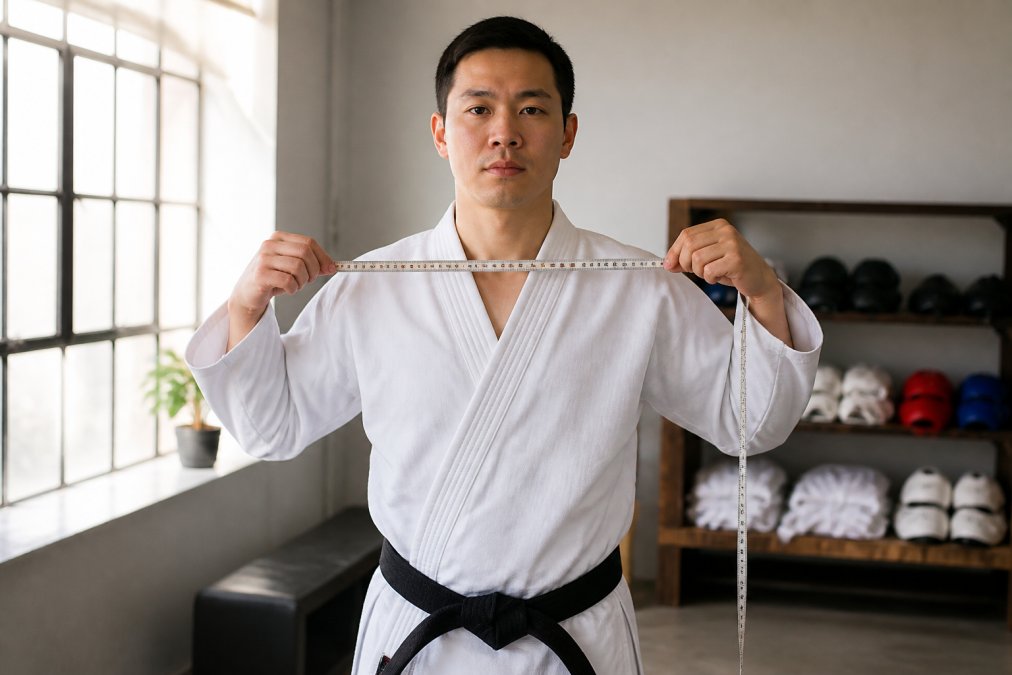
Measure your height and weight first, then use these key measurements for accurate gi sizing:
Shoulder width: The gi jacket should fit snugly across the shoulders without pulling or sagging.
Sleeve length: Extend your arm at a 90-degree angle. The sleeve should reach your wrist bone without bunching at the elbow or extending past your hand.
Inseam (pant length): The pants should reach your ankle bone without dragging on the ground or ending above your ankle.
Jacket length: The jacket should extend to approximately mid-thigh. Too short restricts movement; too long creates excess fabric that feels bulky against your body.
For sensory-sensitive practitioners, slightly looser fits work better than tight fits. Avoid oversized uniforms, which create excess fabric bunching and seam friction during movement.
Elastic Waistband Benefits
Elastic waistbands with drawstrings offer significant advantages for sensory-friendly training. Unlike rigid waistbands, elastic provides gentle, even pressure that doesn't dig into the abdomen during kicks or forms. The drawstring allows customizable tightness without restrictive sensation.
A well-designed elastic waistband should sit comfortably at your natural waist without rolling, slipping, or creating pressure points. Quality construction matters: cheaper uniforms often have thin elastic that digs in or rolls uncomfortably.
Durability and Stitching Quality for Long-Term Training
Durability matters for sensory comfort because worn-out uniforms develop rough seams, pilling, and fabric deterioration that increase tactile irritation. A well-constructed uniform maintains its comfort properties through months of regular training.
Look for reinforced stitching in stress areas: the shoulders, armpits, and crotch seam. Double-stitched seams resist unraveling and maintain structural integrity. Flat-lock seams or seamless construction in high-friction areas prevents rough edges that develop in standard seams after repeated washing and movement. The ProForce 8 oz Karate Uniform features reinforced seams throughout, making it an excellent choice for practitioners who train intensively. The Century 7 oz Middleweight Student Uniform combines durability with sensory comfort through reinforced stitching and quality fabric construction.
Modification Tutorials for Enhanced Sensory Comfort
Even well-selected uniforms can be customized further for individual sensory needs.
Remove or replace internal tags: Many practitioners cut out manufacturer tags entirely or replace them with soft, flat labels using a seam ripper. If you prefer identification, sew a soft fabric label in its place using flat-lock stitching.
Reinforce seams: If you notice rough seams developing, carefully stitch over them with matching thread using a flat-lock seam to smooth the seam edge and prevent fraying.
Add compression layers: For practitioners who benefit from compression, wear a soft compression shirt or compression sleeves under your gi. This provides sensory input that many find grounding and stabilizing during training.
Compression Layering Integration
Compression wear under your gi can significantly enhance sensory comfort for practitioners with sensory processing differences. Compression provides consistent, predictable pressure that many find calming and focusing during training.
Choose compression garments made from moisture-wicking synthetic blends that won't add bulk under your uniform. The compression should be firm but not restrictive, allowing full range of motion for all techniques.
Top Sensory-Friendly Martial Arts Uniforms
1. ProForce 5 oz Karate Uniform (Ultra-Lightweight for Maximum Comfort)
The ProForce 5 oz Original Karate Uniform is the top choice for practitioners prioritizing sensory comfort above all else. The ultra-lightweight 5 oz. fabric minimizes tactile input while the 55/45 cotton-polyester blend delivers excellent breathability and moisture-wicking. The elastic drawstring pants provide customizable fit without rigid waistband pressure. This uniform is ideal for beginners exploring sensory-friendly options or practitioners who train multiple times per week.
The ProForce 5 oz Classic Karate Uniform offers the same lightweight benefits with a 60/40 blend that emphasizes softness.
2. ProForce 6 oz Karate Uniform (Breathable Poly-Cotton Blend)
The ProForce 6 oz Karate Uniform balances sensory comfort with practical durability. The 6 oz. weight is light enough for sensory-sensitive practitioners while substantial enough to withstand regular training without excessive wear. The poly-cotton blend resists shrinking and maintains breathability even during intense training. The elastic waistband with drawstring provides secure, customizable fit.
3. Century 5 oz Ultra Lightweight TKD Uniform (Best for Warm Climates)
The Century 5 oz Ultra Lightweight TKD Student Uniform is purpose-built for taekwondo practitioners in warm environments. The ultra-lightweight fabric keeps practitioners cool during high-intensity footwork and kicking drills. The traditional dobok cut maintains the aesthetic of formal taekwondo training while the breathable blend prioritizes comfort. The complete set includes jacket, pants, and white belt.
4. ProForce 6 oz TKD Uniform (Traditional V-Neck Design)
The ProForce 6 oz TKD Uniform offers sensory-friendly construction with traditional taekwondo styling. The V-neck pullover top provides the classic dobok appearance while the 6 oz. breathable blend maintains comfort during training. Reinforced stitching in stress areas ensures longevity through intensive kicking and footwork. The elastic waist pants with drawstring provide secure fit without restrictive pressure.
5. Century 6 oz Lightweight Student Uniform (Beginner-Friendly Option)
The Century 6 oz Lightweight Student Uniform is purpose-designed for beginners exploring martial arts training. The 60% cotton and 40% polyester blend delivers softness against skin while maintaining durability through frequent washing. The complete set includes jacket, pants, and white belt. This uniform is an excellent starting point for practitioners new to sensory-friendly gear.
Choosing the Right Sensory-Friendly Gi for Beginners
Assessing Your Sensory Needs
Begin by identifying your specific sensory triggers. Do you experience discomfort from seam pressure? Does fabric weight feel restrictive? Does moisture accumulation create anxiety? Does tag irritation distract you during training?
Different sensory profiles require different uniform features. A practitioner sensitive to seam pressure benefits most from flat-lock or seamless construction. Someone bothered by moisture accumulation needs maximum breathability and quick-drying fabric. A practitioner overwhelmed by fabric weight needs ultra-lightweight options like 5 oz. uniforms.
Testing Fabric Before Full Commitment
If possible, handle fabric samples before purchasing a complete uniform. Many martial arts retailers can provide fabric samples or allow you to examine uniforms in person before buying.
Pay attention to how the fabric feels against your skin. Does it feel soft or rough? Does it breathe or feel heavy? Run your hand along the seams, do they feel smooth or rough? Consider purchasing a single pair of pants first rather than a complete uniform set. This allows you to test the fit, fabric feel, and durability without committing to a full uniform.
Sensory-friendly martial arts uniforms transform training from a distraction-filled challenge into a focused, enjoyable practice. The key is understanding how fabric weight, composition, construction, and fit interact with your individual sensory needs. Whether you're just starting your martial arts journey or advancing in rank, prioritizing sensory comfort removes barriers to technique development and consistent training.
BlackBeltShop carries a comprehensive selection of lightweight, breathable uniforms specifically chosen for practitioners who need sensory-friendly construction. We sell our items at 10-40% below regular retail. From ultra-lightweight 5 oz. options to durable 6 oz. uniforms, we offer the quality gear you need to train with confidence. We also offer custom embroidered martial arts black belts tailored to your rank and style, choose custom kanji, names, or academy logos with high-density stitching built to last a lifetime of training. Check out our full selection of karate and taekwondo uniforms, and discover how the right gi transforms your training experience.
| Uniform | Weight | Blend | Best For |
|---|---|---|---|
| ProForce 5 oz Original | 5 oz. | 55/45 | Maximum sensory comfort |
| ProForce 6 oz Karate | 6 oz. | Poly-cotton | Balance of comfort and durability |
| ProForce 6 oz TKD | 6 oz. | Breathable blend | Taekwondo training |
| Century 5 oz TKD | 5 oz. | Lightweight | Warm climate training |
| Century 6 oz Student | 6 oz. | 60/40 | Beginner practitioners |
Frequently Asked Questions
What features make a martial arts uniform sensory-friendly?
Sensory-friendly martial arts uniforms prioritize soft, smooth fabric without rough seams or irritating tags. Look for lightweight materials (5-6 oz) that breathe well, elastic waistbands with drawstrings for adjustable comfort, and minimal seam construction in high-contact areas. Brushed cotton blends and tagless designs reduce tactile triggers. Avoid stiff, heavy fabrics that restrict movement or create pressure points. The best sensory-friendly gis combine breathability with a non-restrictive fit that allows full range of motion without sensory overwhelm.

How do I measure for martial arts gi to ensure proper fit?
Start by measuring your height and weight, then use your dojo's sizing chart as a baseline. Measure shoulder width from seam to seam on a well-fitting shirt, then measure inseam from your crotch to your ankle. For sleeve length, extend your arm and measure from the center of your back to your wrist. Most practitioners size based on height first, then adjust for frame size. Proper fit means the jacket reaches your wrist when arms hang down, pants break just above your ankles, and there's enough room to move freely without excess fabric bunching.
Are there tagless martial arts uniforms available?
Yes, many modern sensory-friendly gis feature tagless or minimal labeling designs. Look for uniforms with seams finished on the inside and labels printed directly onto fabric rather than sewn tags. ProForce and Century brands offer options with reinforced stitching that sits flat against the skin. When shopping, check product descriptions for mentions of tagless construction or contact the retailer about specific sensory accommodations. Custom modifications can also remove tags from standard uniforms if needed.
Can I modify a standard gi to be more sensory-friendly?
Absolutely. Common modifications include removing or relocating internal tags, adding soft fabric tape over seams that irritate, and replacing rigid drawstrings with softer alternatives. You can also add a compression layer underneath if that helps with proprioceptive input. Some practitioners replace the collar with softer ribbing or add padding to high-friction areas. For beginners, start with a lightweight gi designed with sensory needs in mind rather than heavily modifying a standard uniform. This saves time and ensures better results.
What's the difference between 5 oz and 6 oz martial arts uniforms?
Weight refers to fabric density and thickness. A 5 oz gi is ultra-lightweight, offering maximum breathability and minimal fabric pressure, ideal for sensory sensitivity, warm climates, and high-intensity training. A 6 oz uniform provides slightly more durability and structure while remaining breathable and comfortable. The difference is subtle but noticeable: 5 oz feels airier and less restrictive, while 6 oz offers a bit more substance without heaviness. For sensory-friendly training, 5 oz works best for most practitioners, though 6 oz remains an excellent option if you need added durability.
This article was written using GrandRanker