

Table of Contents
- Why Fabric Texture Decides Whether a Gi Works for Sensory Issues
- Quick Comparison: Soft Fabric Gis Built for Sensory Comfort
- 12 oz Heavyweight Brushed Cotton Uniform: The Softest Heavyweight Option
- 10 oz Middleweight Brushed Cotton Uniform: Best Balance of Softness and Durability
- 10 oz Brushed Cotton Top and Elastic Waist Pants: Best for Mix-and-Match Fits
- 8 oz Brushed Cotton Pants and Sleeveless Jacket: Best for Warm Dojos and Sensitive Skin
- ProForce 8 oz and 12 oz Cotton Uniforms: Best for Traditional Drawstring Fans
- How to Soften a Stiff Martial Arts Gi Without Ruining the Fabric
- Frequently Asked Questions
Last Updated: September 26, 2026
Why Fabric Texture Decides Whether a Gi Works for Sensory Issues
The best soft fabric gis for sensory issues are built from brushed cotton, and the brushing is the whole story. A standard gi starts stiff and abrasive, and for a student with tactile defensiveness that scratch is not a minor annoyance. It becomes the thing they remember about class instead of the technique they learned.

This guide from BlackBeltShop walks through six uniforms that solve that problem, plus how to soften a gi that is already hanging in the closet.
How Tactile Defensiveness Shows Up on the Mat
Tactile defensiveness is a heightened sensitivity to touch in which ordinary textures register as uncomfortable or distressing. It is common among children and adults with sensory processing disorder and other neurodivergent profiles.
On the mat, it looks like tugging at the collar, refusing to tie the jacket, or asking to sit out.
The Fabric Traits That Matter Most: Weave, Weight, and Finish
Three variables decide whether a uniform works for textile sensitivity:
- Weave - a tighter weave feels smoother; a loose, coarse weave feels grainy
- Weight - heavier fabric holds structure but can feel heavy and warm; lighter fabric moves more freely
- Finish - brushed cotton is sanded on the inside, cutting the abrasive feel of a new gi
Quick Comparison: Soft Fabric Gis Built for Sensory Comfort
| Uniform | Weight | Waist | Best For |
|---|---|---|---|
| 12 oz Heavyweight Brushed Cotton | 12 oz | Drawstring | Advanced students, cooler dojos |
| 10 oz Middleweight Brushed Cotton | 10 oz | Drawstring | Daily training, all levels |
| 10 oz Top and Elastic Waist Pants | 10 oz | Elastic + drawstring | Mix-and-match sizing |
| 8 oz Pants and Sleeveless Jacket | 8 oz | Elastic + drawstring | Warm dojos, sensitive skin |
| ProForce 8 oz Cotton | 8 oz | Drawstring | Beginners, traditionalists |
| ProForce 12 oz Cotton | 12 oz | Drawstring | Competition, heavy training |
12 oz Heavyweight Brushed Cotton Uniform: The Softest Heavyweight Option
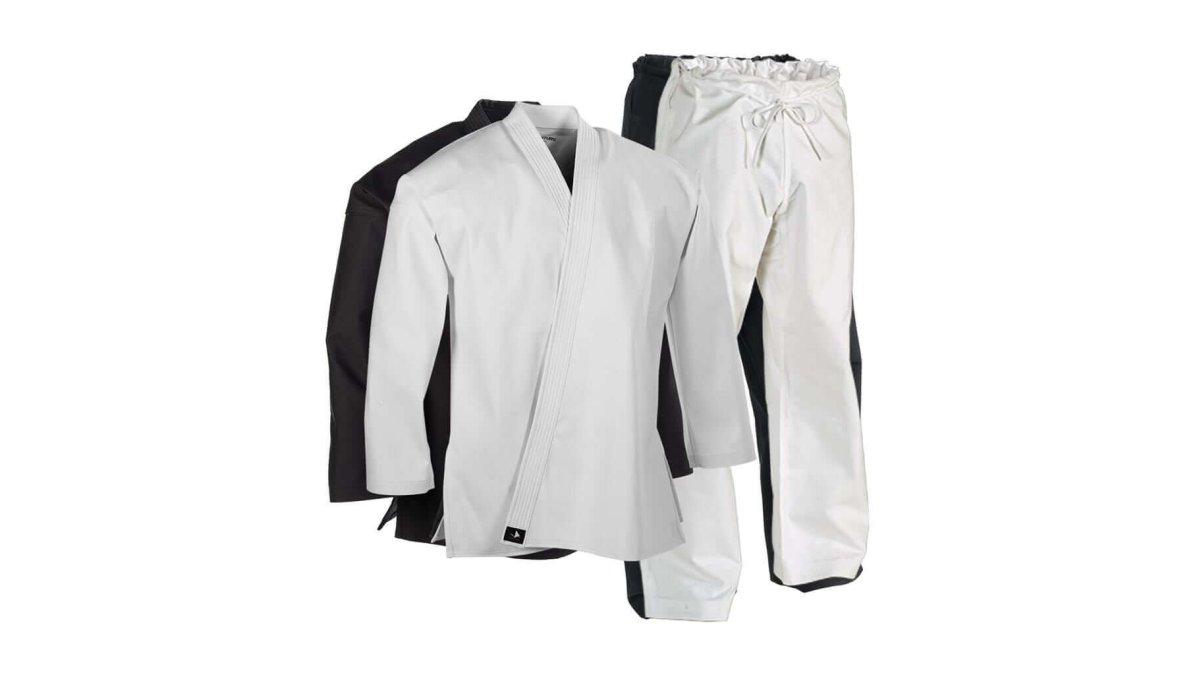
This is the pick for a student who wants the snap and structure of a real heavyweight gi without the sandpaper feel. The 12 oz brushed cotton has a smooth brushed interior that reduces irritation, and the fabric is pre-shrunk so the fit holds after washing.


10 oz Middleweight Brushed Cotton Uniform: Best Balance of Softness and Durability
For most students, 10 oz is the sweet spot. It is soft enough for daily wear and sturdy enough to survive a full season of training without pilling or thinning.
10 oz Brushed Cotton Top and Elastic Waist Pants: Best for Mix-and-Match Fits
Sizing is where sensory-friendly shopping gets hard. A child who is tall for their age may need a jacket in one size and pants in another, and a one-piece set forces a compromise.
8 oz Brushed Cotton Pants and Sleeveless Jacket: Best for Warm Dojos and Sensitive Skin
Heat and texture often trigger sensory overload together. When a student is already uncomfortable, a heavy jacket with long sleeves can push them past the point of participating.
ProForce 8 oz and 12 oz Cotton Uniforms: Best for Traditional Drawstring Fans
Not every dojo accepts elastic waists, and some instructors want a traditional drawstring only. ProForce covers both ends of the weight range in 100% cotton.
How to Soften a Stiff Martial Arts Gi Without Ruining the Fabric
A new gi that has not been brushed will feel stiff for the first several wears. You can speed up the break-in without damaging the cotton, but the bigger issue most guides skip is that a gi can start soft and become irritating again after a few washes. That is almost always a maintenance problem, not a fabric problem.
12 OZ HEAVYWEIGHT BRUSHED COTTON UNIFORM →
The Detergent Residue Problem Nobody Talks About
This is the most under-covered issue in sensory-friendly clothing, and it applies directly to gis. Laundry detergents are formulated with surfactants, optical brighteners, dyes, and fragrance compounds. On a standard cotton shirt, residue is invisible. On a brushed cotton gi worn against bare skin for an hour of sweating, that residue is the difference between "soft" and "scratchy."
Three things happen when detergent residue builds up:
- Surfactant film stiffens the nap. The raised fibers that make brushed cotton feel soft get coated and matted down, so the fabric reverts toward its unbrushed feel.
- Fragrance and dye compounds trigger skin reactions. For students with tactile defensiveness, skin irritation compounds the texture problem, now the fabric both feels wrong and itches.
- Optical brighteners accumulate. They are designed to deposit on fabric and stay there, which means they build up wash after wash.
Why You Should Skip Fabric Softener Entirely
Fabric softener works by depositing a waxy film on fibers. On a brushed cotton gi, that film does two harmful things: it coats the nap and reduces breathability, and it can leave a slick, slightly chemical feel that some sensory-sensitive students find worse than the original stiffness. It also reduces moisture wicking, which matters during sweaty training.
The Durability-vs-Softness Trade-Off
Here is the frustration no competitor addresses head-on: the softest fabrics are usually the least durable. Modal, silk blends, and very finely brushed cotton feel wonderful out of the bag and then pill, thin, or lose their nap within a season of regular training.
A few practical rules follow from that:
- Midweight brushed cotton (around 10 oz) is the durability sweet spot. It holds its nap longer than 8 oz and stays softer than 12 oz.
- Pilling is a friction problem, not a quality problem. Grips, mat work, and repeated washing all accelerate it. A gi used primarily for kata will outlast one used for grappling.
- Wash inside-out. This protects the brushed inner face, the side that actually touches skin, from the abrasion of the drum and other garments.
- Hang to dry. Heat is what sets stiffness back in and what shrinks cotton. A dryer is the fastest way to undo a good break-in.
A Break-In Routine That Actually Works
- Wash in cold water before the first class. Cold water limits shrinkage and relaxes the weave.
- Add a half cup of white vinegar to the rinse cycle to strip manufacturing residue.
- Skip fabric softener and bleach. Both damage brushed cotton, bleach breaks down the fiber, softener coats it.
- Hang to dry rather than machine drying.
- Wear it in. Two or three training sessions break in a cotton gi faster than any home method, because the fabric flexes and softens with movement.
Frequently Asked Questions
What is the best fabric for a gi if I have sensory issues?
Brushed cotton is the most reliable choice. The brushing process raises the fibers into a soft, smooth surface that reduces the abrasive feel common in new uniforms. Every gi in this guide uses 100% brushed cotton, including the 12 oz Heavyweight Brushed Cotton Uniform and the 10 oz Middleweight options. Cotton also breathes well and holds up to repeated washing, which matters when a gi gets worn several times a week.
How do I soften a stiff martial arts gi before the first class?
Wash the gi in cold water with a small amount of gentle detergent, then hang it to dry instead of using a machine dryer. Cold water minimizes shrinkage, and air drying protects the brushed finish. If the fabric still feels stiff, wear the jacket around the house for a short session to help it drape. Avoid fabric softener, which can coat the cotton fibers and reduce breathability over time.
Are lightweight gis better for sensory-sensitive athletes?
Lighter gis feel cooler and move more freely, which helps athletes who are bothered by heavy fabric or heat. The 8 oz Middleweight Brushed Cotton Elastic Waist Pants and the 8 oz Sleeveless Jacket are good starting points for warm dojos or high-energy classes. Heavier 12 oz options offer more structure and snap, so the right weight depends on whether your athlete prefers a lighter feel or a more traditional drape.
What features make a martial arts uniform sensory-friendly?
Look for brushed cotton fabric, flat and reinforced seams, an elastic waist with a drawstring, and a cut that allows full range of motion without pulling. The 10 oz Elastic Waist Pants include a 2-inch wide waistband and a generous gusset, which reduces pressure points during kicks and stances. A gi that fits properly and moves with the body prevents the constant adjusting that can trigger sensory overload.
Can cotton gis help reduce sensory overload during training?
Yes. Cotton is breathable, hypoallergenic, and free of the synthetic fibers that often cause itching or static. Brushed cotton goes a step further by smoothing the surface that touches the skin, which lowers the chance of irritation during movement. The 10 oz Middleweight Brushed Cotton Uniform and the ProForce 8 oz Cotton Uniform both use 100% cotton, making them solid choices for athletes who react to synthetic blends.