

Table of Contents
- Is Foam Sword Sparring Good for Beginners?
- Safety Considerations for Beginners
- Best Practice Swords for Beginners
- Foam Sword vs Wooden Sword Training
- Essential Protective Gear for Sword Fighting
- Durability and Material Quality
- Proper Grip and Guard Techniques
- Equipment Maintenance and Care
- Frequently Asked Questions
Last Updated: October 2, 2026
Is Foam Sword Sparring Good for Beginners?
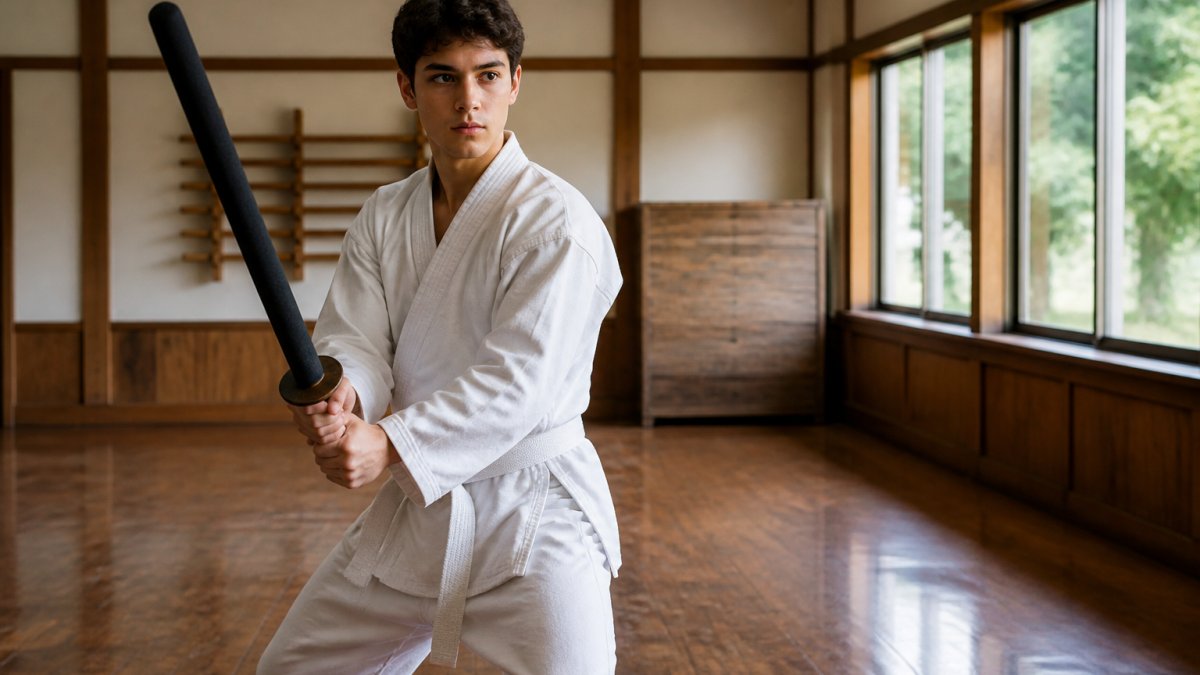
Foam sword sparring beginners find a practical entry point into weapon-based martial arts training. Unlike wooden or steel alternatives, foam swords prioritize safety while building foundational skills in weapon handling, footwork, and distance management. For beginners, this matters because it removes the injury risk that often deters new practitioners from trying sword work at all.
The key is choosing the right foam sword and pairing it with proper protective gear. BlackBeltShop provides durable, beginner-friendly equipment.
Foam sword sparring teaches legitimate combat mechanics: proper grip, guard positioning, footwork patterns, and distance control. These fundamentals transfer directly to advanced training. You can drill repetitive techniques and build confidence without serious injury risk.
Safety Considerations for Beginners
Safety depends on three factors: weapon design, protective equipment, and training environment.
Quality foam swords have a soft exterior that cushions strikes while maintaining a rigid internal core for control. This dual-layer construction prevents the weapon from becoming too floppy or too hard. Cheap foam swords often skip the reinforced core, leaving you with a noodle that teaches nothing useful.
Protective gear is non-negotiable for beginners. Your face, head, hands, and torso need coverage. Even with foam weapons, a strike to the eye socket or temple can cause real injury if unprotected. The headgear matters more than the weapon quality.
Beginners should train under instructor supervision or with experienced partners who understand control and can dial intensity appropriately.
Foam sword sparring beginners should train with other beginners or patient intermediate practitioners, never advanced fighters testing new techniques.
Best Practice Swords for Beginners
Three foam swords dominate the beginner market, each with distinct tradeoffs.
ProForce Foam Chanbara Sword
The ProForce Foam Chanbara Sword combines safety and durability. It features a flexible polypropylene center core wrapped in soft shock-absorbing EVA foam with a vinyl outer shell. The flexible core lets the blade bend slightly on impact without losing structural integrity. The sword is designed specifically for chanbara sport sword fighting and is lightweight enough for beginners to control but substantial enough to teach proper weight distribution.
Gladiator Foam Combat Sword
The Gladiator Foam Combat Sword is longer (38 inches) and modeled after historical gladiator weapons. It uses high-density foam wrapped in durable material with an 8-inch round handle. The longer blade extends your reach significantly compared to the Chanbara model, which changes footwork patterns and distance management.
Combat by ProForce Flex-Foam Training Sword
The Combat by ProForce Flex-Foam Training Sword measures 38.5 inches with a reinforced polypropylene core and soft EVA foam padding, plus a wrapped grip for superior control. The flex-foam blade absorbs impact while maintaining structural integrity through hundreds of training hours. The reinforced core ensures the weapon doesn't degrade into a floppy mess after a few months of use.
| Sword | Price | Length | Best For | Core Material |
|---|---|---|---|---|
| ProForce Chanbara | $39.99 | 20" | Balanced beginners | Flexible polypropylene |
| Gladiator Combat | $35.99 | 38" | Budget-conscious, longer reach | High-density foam |
| Combat ProForce Flex-Foam | $44.99 | 38.5" | Frequent trainers | Reinforced polypropylene |
Foam Sword vs Wooden Sword Training
This comparison matters because many dojos still use wooden training swords (bokken or wasters) for certain disciplines. Understanding the tradeoff helps you choose the right tool for your goals.
Wooden swords deliver more realistic weight and impact feedback, but this is a liability for beginners still learning control. Foam swords prioritize safety without sacrificing fundamental skill development. You learn proper grip, guard positioning, and footwork patterns just as effectively with foam.
Foam swords feel softer and more forgiving, which allows beginners to train at higher frequency without cumulative joint stress. Wooden swords require more space because they can't be used safely in confined areas. Foam swords are forgiving enough for basement training or small dojo spaces.
Essential Protective Gear for Sword Fighting
Foam swords reduce injury risk, but they don't eliminate it. Protective gear is your second layer of defense.
Headgear with face protection is the priority. A strike to the temple, eye, or jaw can cause serious injury even from a foam weapon. Look for headgear with a clear polycarbonate face shield and shock-absorbing foam padding. BlackBeltShop carries several options with high-density foam.
Hand protection prevents finger and wrist injuries. Sparring gloves with padded knuckles and wrist support are essential. Shin guards protect your lower legs from kicks or low strikes. A mouthguard protects your teeth and jaw. Consider a chest guard if you're doing full-contact sparring. BlackBeltShop offers complete protective gear bundles.
Durability and Material Quality
Foam sword durability determines how long you'll actually use the weapon before it degrades into something unusable. This matters because cheap foam breaks down quickly, forcing you to buy replacements constantly.
Quality foam swords use two-layer construction: a rigid internal core and a soft external foam layer. The core maintains shape and structural integrity through hundreds of strikes.
Cheap foam swords often use a single foam layer with no reinforcement. These degrade rapidly.
ProForce Foam Chanbara Sword training sword →
The outer shell material matters too. Vinyl or durable plastic wrapping protects the foam from moisture, UV damage, and physical wear. Unprotected foam absorbs sweat and moisture, which accelerates degradation.
ProForce Flex-Foam Training Swords use reinforced polypropylene cores specifically because this material maintains structural integrity longer than standard foam.
Impact absorption quality also affects durability. Better foam disperses impact energy more effectively, which reduces the stress on the core material.
Proper Grip and Guard Techniques
How you hold a foam sword determines what you'll learn and how safely you'll train. Bad grip habits developed with foam transfer directly to more dangerous weapons later.
The basic grip uses a neutral hand position with thumbs aligned along the handle. Your fingers wrap the handle firmly but not rigidly.
Guard position protects your body while keeping your weapon ready to strike.
Footwork coordinates with grip and guard. Your stance should be balanced, with feet shoulder-width apart and knees slightly bent. This position lets you move quickly in any direction.
Distance management is where foam sword training teaches critical skills. The sword extends your reach, so you must maintain awareness of how far your weapon travels.
The wrap (striking with the flat of the blade rather than the edge) is a common beginner mistake. Foam swords are soft, so beginners often think any contact counts.
Equipment Maintenance and Care
Foam swords require minimal maintenance, but neglect shortens their lifespan significantly.
Store swords in a dry location away from direct sunlight. UV exposure degrades foam and vinyl, causing brittleness and discoloration.
Clean swords after training, especially if you've been sweating heavily. Sweat contains salt and acids that degrade foam and vinyl.
Inspect swords regularly for damage.
Store protective gear in a mesh bag that allows air circulation. Wet headgear and gloves develop odor and mold if sealed in plastic.
Mouthguards should be rinsed with cool water after training and stored in their case. Never use hot water, which warps the plastic.
Check straps and closures on headgear regularly. Hook-and-loop fasteners (velcro) wear out over time. If your headgear won't stay tight, the fasteners need replacement.
Foam sword sparring removes the primary barrier keeping beginners away from weapon-based martial arts: injury fear.
Frequently Asked Questions
Is foam sword sparring effective for learning real sword techniques?
Foam sword sparring builds fundamental skills like footwork, timing, and defensive posture without injury risk. The weight distribution and balance of quality foam swords mimic real weapons enough to develop proper technique. However, the impact absorption differs from steel, so foam training works best as a foundation before transitioning to heavier weapons. Most instructors recommend starting with foam, then progressing to wooden or steel options as your control improves.
What are the safety benefits of using foam swords over wooden wasters?
Foam swords absorb impact energy, significantly reducing blunt force trauma to joints and extremities. Wooden wasters transfer more force directly, increasing injury risk during accidental contact or beginner mistakes. Foam construction also prevents hand and wrist injuries from improper grip. For beginners still learning proper technique and control, foam provides a safer training environment while you develop combat awareness and defensive reflexes.
How do I choose the right size foam sword for my height?
Most training foam swords range from 38 to 42 inches in length. A general guideline: your sword should reach approximately mid-chest when held vertically at your side. Longer swords (40+ inches) suit taller practitioners and develop reach; shorter options (under 40 inches) work better for younger or smaller beginners. Test grip comfort and balance, the handle should feel natural in your hand without requiring excessive wrist adjustment during strikes.
How durable are foam swords for regular practice?
Quality foam swords with reinforced polypropylene cores and EVA foam padding withstand hundreds of practice hours. Durability depends on material quality and maintenance. Swords with vinyl outer shells resist wear better than basic foam. Proper storage, away from direct heat and UV light, extends longevity. High-density foam construction lasts longer than low-density alternatives, making it worth the investment for consistent training rather than replacing equipment frequently.
What sparring gear should a beginner martial artist buy?
Start with headgear with face shield protection, shin guards, hand gloves, and a mouthguard. These cover the most vulnerable areas during foam sword contact. Chest protection adds extra safety if you're engaging in full-contact drills. The ProForce Lightning 7-Piece Sparring Gear Combo Set includes all essentials, or the Century 5-Piece Karate & Taekwondo Sparring Gear Set offers tournament-standard protection. Both options provide impact absorption and joint protection needed for safe beginner training.